
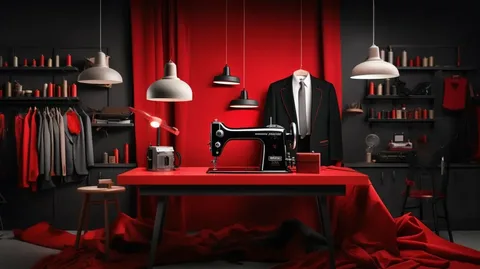
Dubai is known for its diverse fashion culture, fast-moving lifestyle, and growing business landscape. From formal office clothing and occasion wear to uniforms and branded textiles, people and businesses increasingly look for clothing solutions that match their specific requirements. This is where Tailoring Services in Dubai play an important role.
Modern tailoring is no longer limited to altering the length of a garment or creating traditional outfits. Today, tailoring can involve customized measurements, fabric selection, personalized designs, embroidery, branding, and finishing details. For businesses, specialized services such as Logo Towel Embroidery for Hotel and Apron Embroidery can also help create a consistent visual identity.
Whether you are updating your personal wardrobe or developing branded clothing for a business, understanding modern tailoring services can help you make more informed choices.
What Are Tailoring Services in Dubai?
Tailoring Services in Dubai cover a wide range of clothing and textile requirements. These may include garment creation, alterations, resizing, repairs, uniform production, embroidery, and customized finishing.
A tailor can work with different fabrics, patterns, cuts, and measurements to create clothing according to individual requirements. Unlike ready-made garments, customized clothing can be adjusted to suit the wearer’s proportions and preferred style.
For businesses, tailoring services can also support professional clothing requirements. Hotels, restaurants, retail stores, offices, and other organizations may require uniforms that combine comfort, functionality, and brand presentation.
Why Custom Tailoring Fits Modern Wardrobes
Modern wardrobes often combine different clothing styles for work, social occasions, travel, and everyday use. A customized approach can make it easier to maintain consistency across these different needs.
One major advantage of tailoring is the ability to select specific measurements. Sleeve length, trouser length, shoulder width, waist fit, and garment proportions can all affect how clothing looks and feels.
Tailoring also allows customers to make decisions about details such as:
- Fabric type and weight
- Garment color
- Collar and cuff styles
- Pocket placement
- Button designs
- Stitching details
- Embroidery and personalization
- Overall garment structure
These choices can turn a standard clothing concept into something more individual and practical.
Tailoring for Professional and Corporate Clothing
Businesses in Dubai often need clothing that reflects their workplace environment. A well-planned uniform can create a consistent appearance while helping employees present a professional image.
Tailoring services can be used for shirts, trousers, jackets, uniforms, dresses, hospitality clothing, and other workwear. Measurements can be taken for different employees, while colors and design elements can be coordinated with company branding.
For organizations with customer-facing teams, clothing also needs to balance appearance and functionality. Employees may spend long periods standing, moving, or interacting with customers, making comfort an important part of uniform planning.
This is particularly relevant in hospitality, where uniforms and branded textiles are part of the overall guest experience.
Logo Towel Embroidery for Hotel Branding
Hotels rely heavily on visual details to create a consistent guest experience. Towels, robes, linens, uniforms, and other textile items can all contribute to the appearance of a property.
Logo Towel Embroidery for Hotel requirements can provide a practical way to place a hotel logo or brand mark directly onto towels. Embroidered logos can be used on different towel types depending on the hotel’s requirements, including guest towels, hand towels, bath towels, and spa textiles.
When planning hotel towel embroidery, several factors should be considered. The logo size should be appropriate for the towel, while thread colors should complement the existing branding. Placement also matters because the embroidery should remain visible without interfering with the towel’s practical use.
Hotels may also need embroidery services for bathrobes, staff clothing, housekeeping textiles, and other branded items. Coordinating these elements can create a more unified visual identity.
Apron Embroidery for Restaurants and Hospitality
Aprons are common across restaurants, cafés, bakeries, catering companies, hotels, and food-service businesses. They provide practical coverage while also offering an opportunity for brand presentation.
Apron Embroidery can include a company logo, employee name, department identifier, or other approved branding elements. Embroidery placement may vary depending on the apron design, but chest and upper-front areas are commonly considered for logos and names.
When selecting embroidered aprons, businesses should think about daily use. The fabric should be suitable for the working environment, and the embroidery should maintain its appearance after repeated washing.
A consistent apron design can also help distinguish employees from customers while reinforcing the company’s visual identity.
Choosing Fabrics for Customized Clothing
Fabric selection is one of the most important parts of tailoring. Different materials offer different levels of comfort, durability, breathability, structure, and maintenance.
For warm conditions, lightweight and breathable fabrics may be suitable for certain garments. Structured fabrics can be considered for formal clothing where shape and presentation are important.
For workwear, durability and ease of maintenance may be higher priorities. Hospitality businesses may need fabrics that can withstand frequent washing while remaining comfortable throughout long shifts.
The right fabric ultimately depends on the garment’s purpose, expected frequency of use, climate, and preferred appearance.
The Importance of Accurate Measurements
Measurements are central to customized clothing. Even small differences can influence the final fit of a garment.
A tailoring process may consider measurements such as chest, waist, hips, shoulders, sleeves, inseam, and overall garment length. The specific measurements depend on the clothing being produced.
Professional measurement also helps identify individual proportions. For example, two people with the same waist measurement may require different garment adjustments because of differences in height, posture, shoulder structure, or leg length.
For businesses ordering uniforms, maintaining organized measurement records can make future replacements and repeat orders easier.
Combining Tailoring and Embroidery Services
One of the useful aspects of modern Tailoring Services in Dubai is the ability to combine garment production with personalized embroidery.
A business may order customized uniforms and add embroidered branding as part of the same clothing project. Hotels may coordinate staff uniforms with Logo Towel Embroidery for Hotel requirements, while restaurants can combine customized workwear with Apron Embroidery.
This approach can help businesses maintain consistency in colors, logos, placement, and overall presentation.
Before beginning an embroidery project, it is useful to confirm the logo format, dimensions, thread colors, placement, and quantity. Businesses should also consider whether the selected design is suitable for the fabric and intended washing conditions.
What to Consider Before Ordering Tailoring Services
Before choosing a tailoring service, customers and businesses can consider several practical factors.
First, identify the purpose of the clothing. A formal suit, hospitality uniform, casual shirt, and embroidered apron will have different requirements.
Next, determine the preferred fabric, color, fit, and design details. For branded clothing, prepare the logo and confirm the desired embroidery placement.
Quantity is another important consideration. Individual garments may require a different process from larger uniform orders. Businesses should also consider whether future repeat orders are likely.
Finally, communicate measurements, design requirements, embroidery specifications, and finishing expectations clearly before production begins. Clear information can reduce misunderstandings and make the customization process more organized.
Conclusion
Modern wardrobes are increasingly shaped by customization, practical design, and personal or business branding. Tailoring Services in Dubai provide a flexible way to create clothing that reflects individual measurements, preferred styles, and specific functional requirements.
For businesses, customization can extend beyond garments. Logo Towel Embroidery for Hotel projects can add branded details to hospitality textiles, while Apron Embroidery can bring company identity into restaurant and food-service workwear.
From fabric selection and measurements to embroidery and finishing, every detail can contribute to the final result. By understanding these options and defining requirements clearly, individuals and businesses can approach modern tailoring with greater confidence and create clothing and textiles suited to their specific needs.
