
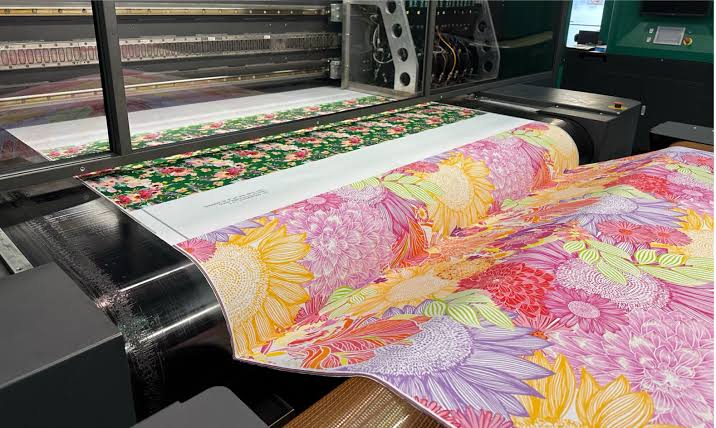
Dubai’s textile and fashion landscape continues to evolve alongside changing design preferences, retail demands, hospitality concepts, and promotional needs. As businesses look for distinctive fabrics and customized designs, textile printing Dubai is becoming an increasingly important part of the local textile industry.
From digitally printed patterns to refined screen-printing techniques, printing technologies are giving designers and businesses more flexibility. At the same time, sustainability, personalization, and faster production are influencing how fabrics are designed and produced across the UAE.
Understanding these emerging trends can help fashion labels, interior designers, event companies, retailers, and other businesses make informed decisions when selecting textile printing methods.
- Digital Textile Printing Is Gaining Momentum
Digital textile printing is one of the most noticeable developments in the modern printing industry. Unlike traditional methods that may require extensive setup, digital systems can transfer detailed artwork directly onto fabric.
This approach supports complex patterns, gradients, photographs, illustrations, and smaller production runs. Designers can also experiment with multiple versions of a design before moving into larger production.
For businesses involved in fabric printing UAE, digital printing offers an adaptable option for projects that require detailed artwork or frequent design changes. It can be particularly useful for fashion collections, décor fabrics, branded materials, and customized merchandise.
- Demand for Customized Fabrics Is Increasing
Personalization is influencing many areas of Dubai’s creative economy. Businesses increasingly want fabrics that reflect their branding, visual identity, campaign themes, or interior concepts.
Customized textile printing allows companies to incorporate logos, patterns, colors, illustrations, and other visual elements into fabric products. This can help create consistency across uniforms, promotional materials, retail displays, curtains, cushions, and event décor.
The trend is also relevant to independent designers and emerging fashion labels that want distinctive fabric designs rather than relying exclusively on ready-made patterns.
- Sustainable Printing Practices Are Becoming More Important
Environmental considerations are becoming a greater part of textile production conversations. Businesses are paying closer attention to printing processes, fabric choices, ink technologies, waste reduction, and production efficiency.
Water-based inks and improved digital printing technologies are among the developments attracting interest because they can support more controlled printing processes. Some production methods can also reduce unnecessary material use when smaller quantities are required.
For companies exploring textile printing Dubai, sustainability may increasingly become a selection factor alongside color accuracy, fabric compatibility, production requirements, and design quality.
- Screen Printing Remains Relevant
While digital printing continues to develop, traditional methods have not disappeared. Screen printing in Dubai remains relevant for applications where strong colors, durability, and repeat production are important.
Screen printing uses prepared screens to transfer ink onto fabric. It is commonly associated with apparel, uniforms, promotional textiles, tote bags, and branded merchandise.
The technique can be particularly suitable when a design uses a limited number of colors and needs to be reproduced across a larger quantity of items. Its continued use demonstrates that newer technology is complementing established printing techniques rather than completely replacing them.
- More Attention to Fabric and Ink Compatibility
Successful textile printing is not simply about transferring an attractive design onto a surface. The relationship between the fabric, ink, printing method, and intended application can significantly affect the final result.
Cotton, polyester, linen, blends, and synthetic materials can respond differently to various printing technologies. Factors such as absorbency, texture, stretch, heat resistance, and intended washing conditions may influence method selection.
As fabric printing UAE becomes more specialized, businesses are increasingly considering the technical characteristics of the fabric before choosing a printing process.
- Bold Patterns and Bespoke Visuals
Dubai’s design environment is known for combining contemporary aesthetics with strong visual influences. This is contributing to interest in bold patterns, geometric designs, artistic illustrations, metallic-inspired effects, and customized graphics.
Instead of using generic fabric patterns, businesses can develop artwork specifically for their brand or project. This is particularly useful in hospitality, retail, fashion, exhibitions, and interior design, where visual differentiation can influence the overall customer experience.
Custom patterns can also be adapted for different fabric applications while maintaining a consistent visual theme.
- Textile Printing for Hospitality and Interiors
The influence of textile printing extends beyond clothing. Dubai’s hospitality and interior sectors create demand for customized curtains, cushions, upholstery fabrics, decorative panels, table textiles, and other fabric-based elements.
Hotels, restaurants, cafés, offices, and retail environments can use printed textiles to reinforce an interior concept or brand identity.
This wider application is helping expand the role of textile printing Dubai from fashion-focused production to commercial and architectural interiors.
- Smaller Production Runs Are Becoming More Practical
Traditional textile production has often been associated with larger quantities because setup costs can make small runs less economical. Modern digital technologies are changing this equation.
Businesses can increasingly explore shorter production runs for product testing, seasonal collections, limited-edition merchandise, or specialized events.
This flexibility is valuable for smaller brands that want to test a design before committing to a larger order. It can also support businesses that need several variations of a design rather than one large standardized production run.
- Faster Design-to-Production Workflows
Speed is another important trend influencing textile printing. Businesses operating in competitive markets often need to move from concept to finished products within relatively short timelines.
Digital artwork preparation, automated printing systems, improved color management, and streamlined production processes can help reduce unnecessary delays.
For businesses seeking fabric printing UAE services, production planning is therefore becoming just as important as the printing technique itself. Artwork readiness, fabric availability, color requirements, quantity, and finishing specifications should all be considered early in the process.
- Technology and Traditional Methods Are Working Together
One of the most significant trends is not the replacement of one printing method by another but the growing combination of technologies.
Digital printing can handle intricate artwork and variable designs, while screen printing can remain useful for specific materials, applications, and production volumes. Selecting between these methods depends on the project rather than simply choosing the newest technology.
Businesses considering screen printing in Dubai can evaluate factors such as design complexity, fabric type, number of colors, quantity, durability expectations, and turnaround requirements before selecting a process.
What These Trends Mean for Businesses
The changing textile printing landscape gives Dubai-based businesses more options for developing customized fabric products. Instead of relying on one universal printing technique, companies can select a process according to their design, material, quantity, and application.
For fashion brands, this can mean greater freedom to create distinctive collections. For hospitality businesses, printed textiles can contribute to customized interiors. For retailers and event companies, personalized fabric products can support branding and promotional campaigns.
The key is to consider the complete project rather than focusing on printing alone. Fabric selection, artwork preparation, color requirements, finishing, quantity, and intended use all influence the final outcome.
Looking Ahead
The future of textile printing Dubai is likely to be shaped by a combination of digital innovation, customization, sustainability, and established printing expertise. Digital technology is creating new possibilities for detailed and flexible designs, while screen printing in Dubai continues to serve applications where its particular characteristics are beneficial.
At the same time, growing interest in sustainable processes and customized fabrics is encouraging businesses to think more carefully about how textiles are produced and used.
For anyone exploring fabric printing UAE, understanding these trends provides a useful starting point. Whether the requirement involves fashion fabrics, promotional materials, branded textiles, or interior applications, choosing the appropriate printing process can help align the finished fabric with the project’s practical and visual requirements.
