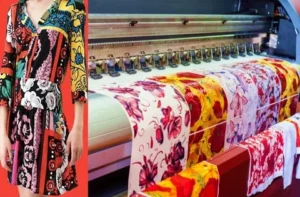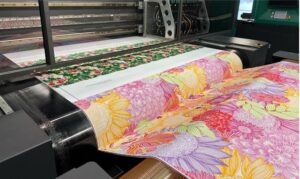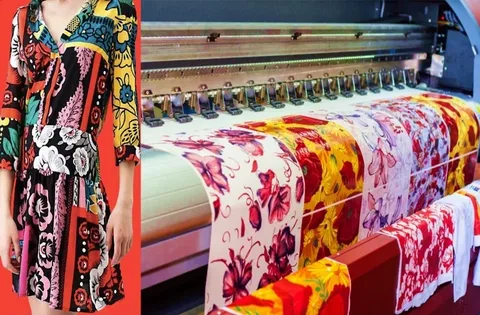
Digital textile printing has transformed the way businesses, designers, fashion brands, and organizations create customized fabrics. Unlike traditional printing methods, digital textile printing allows designs to be printed directly onto fabric using advanced inkjet technology. This makes it possible to produce detailed patterns, vibrant colors, photographs, logos, and personalized artwork with greater flexibility.
For businesses looking for textile printing Dubai, understanding the benefits and applications of digital printing can help them select the right solution for their projects. From fashion and promotional products to uniforms and interior décor, digitally printed textiles are becoming an increasingly practical choice.
What Is Digital Textile Printing?
Digital textile printing is a modern process that transfers digital artwork directly onto textile materials. Instead of creating physical screens for every color and design, the printer uses specialized textile inks controlled by digital files.
This technology supports complex artwork, gradients, fine details, and multiple colors. It is particularly useful for customized orders where flexibility and accurate reproduction are important.
Digital textile printing can be used on different materials, including cotton, polyester, linen, silk, and blended fabrics, depending on the printing technology and ink system used.
Benefits of Textile Printing in Dubai
- High-Quality and Detailed Designs
One of the biggest advantages of digital textile printing is its ability to reproduce intricate artwork. Fine lines, detailed illustrations, photographs, and colorful graphics can be printed with impressive clarity.
This makes digital printing suitable for fashion collections, branded fabrics, decorative textiles, and customized promotional materials.
- Excellent Customization
Customization is increasingly important for businesses and creative professionals. Digital printing makes it easier to produce unique designs without requiring large production quantities.
Companies can create fabrics featuring their logos, brand patterns, slogans, or specific artwork. Designers can also experiment with different colors and patterns before committing to larger production runs.
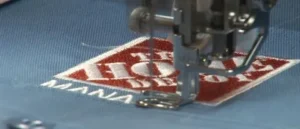
For projects involving multiple branding techniques, businesses may also combine textile printing with custom embroidered patches to create distinctive uniforms, jackets, bags, and promotional apparel.
- Suitable for Small and Large Orders
Traditional printing methods can be more practical for certain high-volume projects, while digital textile printing offers considerable flexibility for smaller customized orders.
Businesses can test designs, create samples, or produce limited collections without necessarily committing to extremely large quantities. This flexibility can be valuable for startups, independent designers, event organizers, and businesses testing new products.
- Faster Design Changes
Because digital printing works from digital artwork, changing a design is relatively straightforward. Colors, graphics, text, and patterns can be adjusted in the artwork before printing.
This is useful for companies that regularly update branding, seasonal collections, event merchandise, or promotional campaigns.
- Vibrant Color Reproduction
Digital textile printing can produce a wide range of colors and detailed visual effects. Depending on the fabric and printing process, businesses can achieve eye-catching results that help products stand out.
For fashion brands and promotional businesses, vibrant printed fabrics can contribute to stronger visual branding.
Applications of Digital Textile Printing
Fashion and Apparel
Fashion is one of the most important applications of digital textile printing. Designers can create customized patterns for dresses, shirts, scarves, jackets, skirts, and other garments.
Digital printing allows designers to experiment with artistic patterns, photographic imagery, geometric designs, and branded graphics. It is particularly useful for limited-edition collections and personalized fashion products.
Corporate Uniforms
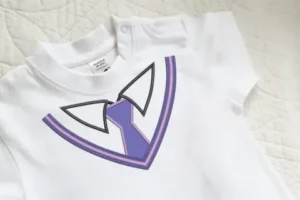
Businesses can use printed textiles to add branding elements to uniforms and workwear. Company colors, logos, patterns, and other visual elements can be incorporated into selected textile products.
For a more textured branding approach, custom embroidered patches can also complement printed uniforms and workwear.
Promotional Products
Printed textiles are widely used for promotional campaigns. Businesses can customize tote bags, banners, scarves, table covers, flags, and other textile-based promotional products with logos and marketing graphics.
Customized products can help businesses maintain consistent branding during exhibitions, corporate events, product launches, and promotional campaigns.
Home Décor and Interior Textiles
Digital printing is also useful for interior décor applications. Customized curtains, cushions, upholstery fabrics, wall textiles, table linens, and decorative materials can feature personalized patterns and artwork.
Interior designers can use digitally printed fabrics to create unique visual themes for homes, hotels, restaurants, offices, and retail spaces.
Sportswear and Team Apparel
Sports teams and organizations often require customized clothing featuring team colors, names, numbers, logos, and distinctive graphics.
Digital textile printing can support detailed sportswear designs, while embroidery and custom embroidered patches can provide additional branding options for jackets, caps, and bags.
Event and Exhibition Branding
Trade shows, exhibitions, conferences, and corporate events frequently require customized textile displays. Printed backdrops, tablecloths, banners, flags, and promotional fabrics can help create a professional and recognizable event environment.
Digital Textile Printing vs. Screen Printing
Both digital printing and screen printing have their own advantages. Digital printing is generally well suited to detailed artwork, photographic designs, multiple colors, and customized or smaller orders.
Screen printing Dubai services, on the other hand, can be an effective choice for designs requiring strong color coverage and consistent results across larger quantities. The right option depends on factors such as fabric type, design complexity, order size, budget, and intended use.
Businesses should evaluate these factors before selecting a printing technique.
How to Choose a Textile Printing Service in Dubai
When selecting a textile printing provider, consider the following factors:
- Printing quality: Check the clarity, color consistency, and overall finish.
- Fabric compatibility: Make sure the provider works with your required textile material.
- Customization options: Ask about colors, patterns, sizes, and personalized designs.
- Production capacity: Confirm whether the provider can handle your required order quantity.
- Turnaround time: Discuss production schedules before placing an order.
- Design support: Professional guidance can help prepare artwork correctly for printing.
- Finishing options: Consider whether embroidery, patches, cutting, or other finishing services are available.
A reliable provider should be able to understand your requirements and recommend a suitable printing method based on your project.
Why Textile Printing Matters for Businesses
Customized textiles can play an important role in visual branding. Consistent colors, logos, and graphics across uniforms, promotional products, and décor can create a stronger professional identity.
For Dubai businesses operating in competitive industries, customized textile products can also help differentiate their brand. Combining textile printing Dubai services with embroidery, patches, and other decoration techniques can provide businesses with multiple ways to present their identity.
Embroidery Gulf (Abdul Rehman Mohamed Noor Tailoring) provides textile customization solutions for businesses and organizations looking for professionally finished textile products.
Conclusion
Digital textile printing offers flexibility, detailed design reproduction, customization, and a wide range of applications. From fashion and uniforms to promotional products, sportswear, interiors, and event branding, the technology can support many creative and commercial requirements.
Before choosing a printing method, consider the fabric, design, quantity, budget, and desired finish. Whether you need digital printing, screen printing Dubai, or complementary custom embroidered patches, selecting the appropriate technique can make a significant difference to the final product.
For professional textile customization and printing requirements in Dubai, call us today +971 50 8676858 to discuss your design, fabric, quantity, and project requirements and find the right printing solution for your needs.
Frequently Asked Questions
- What is digital textile printing?
Digital textile printing is a process that prints digital artwork directly onto fabric using specialized textile printers and inks. It can reproduce detailed designs, patterns, images, and branding elements.
- What fabrics can be used for textile printing?
Depending on the printing technology, textile printing can be performed on materials such as cotton, polyester, linen, silk, and blended fabrics. The appropriate process depends on the specific fabric.
- Is digital textile printing suitable for small orders?
Yes. Digital printing is particularly useful for customized and smaller production runs because designs can be printed directly from digital artwork without creating traditional screens for every design.
- What is the difference between digital printing and screen printing?
Digital printing is generally suitable for detailed, multicolor, and customized designs, while screen printing can be advantageous for certain high-volume projects and designs requiring strong, consistent color coverage.
- Can printed textiles be combined with embroidered patches?
Yes. Printed fabrics and custom embroidered patches can be combined on uniforms, jackets, bags, sportswear, and promotional products to create a distinctive branded appearance.
- How can I choose the right textile printing service in Dubai?
Consider printing quality, fabric compatibility, customization options, production capacity, turnaround time, finishing services, and the provider’s ability to understand your specific requirements.