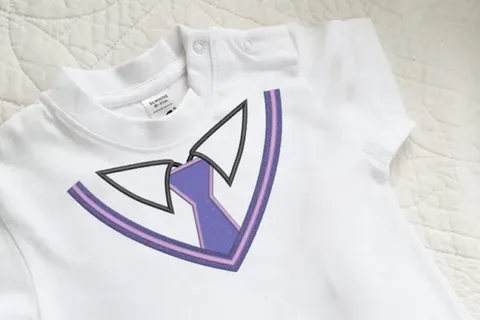
A school uniform represents more than everyday clothing. It creates a shared visual identity, encourages a sense of belonging, and helps students look organized across classrooms, events, and activities. One effective way to strengthen this identity is through School Uniform Embroidery.
Embroidered school names, crests, logos, student groups, and other details can transform standard garments into recognizable schoolwear. Unlike printed designs, embroidery adds a textured finish that can remain visible through regular use and repeated washing when appropriate materials and techniques are selected.
For schools, uniform suppliers, and organizations seeking professional garment decoration, understanding different embroidery methods can help create consistent results. This is also where Dubai Embroidery Companies Services can support schools with suitable design, stitching, and garment customization solutions.
Why School Uniform Embroidery Matters
Consistency is an important part of school branding. When every uniform carries the same logo placement, thread colors, lettering style, and proportions, students present a coordinated appearance.
School Uniform Embroidery can be used on shirts, sweaters, jackets, blazers, caps, sportswear, bags, and other school-related garments. The technique allows schools to reproduce important visual elements across different clothing types while maintaining a recognizable identity.
Embroidery also offers a dimensional appearance. Stitched logos and lettering can give uniforms a more structured finish while helping important details remain distinguishable.
For schools with large uniform requirements, consistency becomes especially important. A defined embroidery specification can help ensure that new garments match existing uniforms throughout the academic year.
Common School Uniform Embroidery Methods
Different embroidery methods can produce different visual effects. The right choice depends on the garment fabric, logo complexity, size, thread requirements, and intended use.
- Standard Machine Embroidery
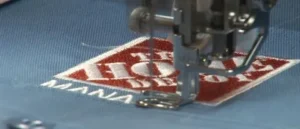
Computerized machine embroidery is commonly used for school logos, names, initials, and simple symbols. A digital embroidery file guides the machine to reproduce the design accurately.
This method is useful when schools require multiple garments with the same logo. Once the design file is properly prepared, the embroidery can be repeated across batches with greater consistency.
- Direct Garment Embroidery
Direct embroidery involves stitching the design directly onto the garment. It works well for shirts, polo uniforms, jackets, sweaters, and similar schoolwear.
Before production, the fabric should be assessed for weight, stretch, and stability. Choosing suitable thread density and backing can help reduce puckering and maintain the intended appearance.
- Embroidered Patches
Some school logos may be better suited to embroidered patches. The design is stitched onto a separate backing material and then attached to the uniform.
Patches can be practical when uniforms are shared between different garment types or when schools want removable branding. They can also simplify replacement when a garment becomes damaged while the emblem remains usable.
- Appliqué Embroidery
Appliqué combines fabric pieces with embroidery to create larger visual elements. This approach can be useful for bold school lettering, athletic uniforms, house names, or larger decorative designs.
Because appliqué can reduce the amount of thread required for large filled areas, it may provide a distinctive appearance while keeping the design visually clear.
- 3D or Raised Embroidery
Raised embroidery uses specialized materials beneath selected areas of the design to create a dimensional effect. It is generally more appropriate for jackets, caps, sportswear, or special school merchandise than lightweight everyday shirts.
For standard classroom uniforms, the design should remain comfortable and practical. Raised embroidery is therefore best applied selectively.
Choosing the Right Thread and Fabric
The quality of an embroidered uniform depends on more than the design itself. Thread selection, garment fabric, backing, needle choice, and stitch density all influence the finished result.
Schools should consider thread colors that closely match their established brand guidelines. Strong contrast can improve logo visibility, while carefully selected matching colors can create a subtle appearance.
Fabric also matters. Lightweight cotton, polyester blends, knitwear, fleece, and heavier jackets respond differently to embroidery. A design that works well on a structured blazer may require adjustments when applied to a flexible polo shirt.
Testing a sample before full production can reveal issues such as puckering, distortion, excessive thread density, or poor placement.
Maintaining Consistent Logo Placement
Uniform identity depends heavily on placement. Even a high-quality embroidered logo can look inconsistent if it appears at different heights or angles across garments.
Schools can create a simple embroidery specification covering:
- Logo Design
- Logo dimensions
- Thread colors
- Stitch type
- Placement measurements
- Garment locations
- Lettering style
- Backing requirements
- Approved embroidery files
For example, a school may specify that its crest should appear on the left chest at a fixed distance from the collar and shoulder seam. Having documented measurements makes future production easier to manage.
This approach is particularly valuable when uniforms are produced by different suppliers or reordered across multiple academic terms.
Working With Dubai Embroidery Companies Services
Schools looking for embroidery production in the UAE may consider Dubai Embroidery Companies Services for projects involving uniforms, promotional clothing, corporate garments, and customized apparel.
When comparing embroidery providers, schools should look beyond basic design capability. Important considerations include their ability to reproduce logos consistently, handle different garment fabrics, maintain color accuracy, and manage larger orders.
It can also be useful to request a physical sample before approving a complete uniform batch. A sample allows school administrators to review the embroidery size, positioning, thread finish, and overall appearance.
Clear communication is equally important. Providing an original logo file, brand guidelines, preferred thread colors, garment specifications, and quantity requirements can help reduce production misunderstandings.
Custom Embroidery Dubai for Schoolwear
The demand for personalized apparel has made Custom Embroidery Dubai a useful option for schools seeking garments tailored to their identity.
Custom embroidery can extend beyond the primary school crest. Depending on school policies, garments may include student initials, house names, activity groups, sports teams, event branding, or staff identifiers.
However, personalization should remain consistent with the school’s visual standards. Too many variations can weaken the unified appearance that uniforms are intended to create.
A structured embroidery program can therefore separate permanent school branding from optional personalization. This allows schools to maintain a recognizable core uniform while introducing customized elements where appropriate.
Embroidery Quality and Garment Care
Proper care can help embroidered uniforms retain their appearance. Schools should provide suitable washing and drying instructions based on the garment and thread specifications.
Harsh washing conditions, excessive heat, or unsuitable detergents may affect fabrics and embroidery over time. Uniform suppliers can provide care recommendations that match the selected materials.
From a production perspective, quality control should include checking thread tension, logo alignment, stitch coverage, loose threads, and placement. Inspecting samples from different production batches can also help identify inconsistencies early.
Building a Consistent School Uniform System
A successful embroidery program starts with a standardized design and production process. Schools can establish an approved master embroidery file and maintain records of dimensions, thread colors, garment types, and placement measurements.
This system becomes particularly useful when uniforms are reordered. Instead of recreating a logo from memory, suppliers can work from established specifications.
For growing schools, such documentation can also make it easier to introduce additional garments without changing the overall visual identity.
Conclusion
School Uniform Embroidery provides a practical way to reinforce school identity through coordinated, recognizable garments. From standard machine embroidery and direct stitching to patches, appliqué, and raised embroidery, different methods can serve different uniform requirements.
The key to consistent results is careful planning. Schools should standardize logo files, colors, dimensions, placement, materials, and quality checks before beginning large-scale production.
Whether working with Dubai Embroidery Companies Services or exploring Custom Embroidery Dubai options, requesting samples and establishing clear embroidery specifications can help maintain a consistent appearance across schoolwear. With the right method and production standards, embroidered uniforms can support a cohesive identity throughout the academic community.