The textile and apparel industry in the UAE is rapidly evolving, driven by demand for customization, faster turnaround times, and high-quality outputs. Among the technologies reshaping production workflows, Direct to Fabric Printing UAE stands out as a transformative solution for production teams. It offers a streamlined process that enables printing directly onto textiles without intermediate steps, significantly improving efficiency and design flexibility.
For businesses balancing bulk production and customization—whether in fashion, corporate branding, or uniforms—understanding how this technology integrates with traditional methods like Screen Printing Services UAE and value-added services such as School Logo Embroidery is essential.
What is Direct to Fabric Printing?
Direct to fabric printing (DTF—not to be confused with direct-to-film) is a digital printing method where designs are printed directly onto fabric using specialized inkjet technology. Unlike traditional processes that require screens or transfers, this method applies ink straight onto the textile surface.
This allows production teams to:
- Print complex designs with high detail
- Handle short and long production runs efficiently
- Reduce setup time and material waste
In the context of Direct to Fabric Printing UAE, this technology is particularly relevant due to the region’s diverse textile needs, ranging from fashion garments to corporate apparel and educational uniforms.
How It Fits into Production Workflows
Production teams in the UAE often manage multiple printing methods depending on order size, design complexity, and turnaround requirements. Integrating Direct to Fabric Printing UAE into existing workflows enhances flexibility.
Pre-Production Stage
Designs are created digitally and require minimal preparation. Unlike Screen Printing Services UAE, there is no need to create screens for each color, which reduces preparation time.
Printing Stage
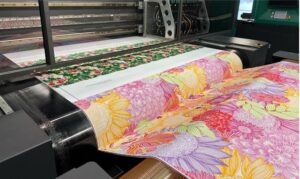
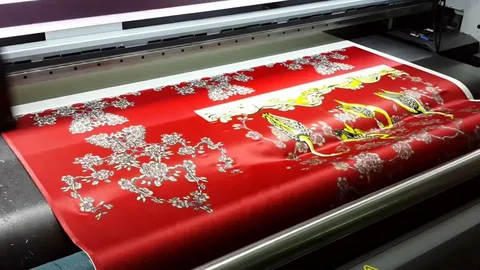
The fabric is fed directly into the printer, where inks are applied with precision. This ensures consistent quality across batches.
Post-Processing
Depending on the fabric type, the printed material undergoes curing or heat setting to ensure durability and color fastness.
This simplified workflow allows production teams to respond quickly to custom orders and last-minute changes.
Key Advantages for Production Teams
- Faster Turnaround Times
With no screen preparation required, production cycles are significantly shortened. This is ideal for businesses handling urgent or small-batch orders.
- Design Flexibility
Intricate patterns, gradients, and multi-color designs can be printed without limitations. This is a major advantage over Screen Printing Services UAE, which can become complex with multiple colors.
- Reduced Waste
Digital printing minimizes excess ink usage and eliminates the need for screens, making it a more sustainable option.
- Scalability
Whether producing a few pieces or large volumes, Direct to Fabric Printing UAE adapts easily without major setup changes.
Comparison with Screen Printing Services UAE
While Direct to Fabric Printing UAE offers many advantages, Screen Printing Services UAE still holds value in certain scenarios. Understanding the differences helps production teams choose the right method.
When Screen Printing Works Better
- Large volume orders with simple designs
- Projects requiring highly durable prints
- Cost-sensitive bulk production
When Direct to Fabric Printing is Preferred
- Short runs and custom orders
- Complex, multi-color designs
- Faster delivery timelines
In many UAE-based production facilities, both methods coexist, allowing teams to optimize based on project requirements.
Role in School and Uniform Production
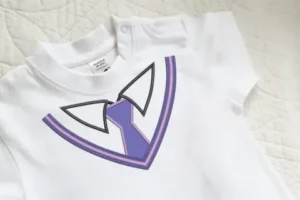
Educational institutions in the UAE frequently require customized uniforms and branded apparel. This is where Direct to Fabric Printing UAE complements School Logo Embroidery.
Combining Printing and Embroidery
- Digital printing is used for large design areas or detailed graphics
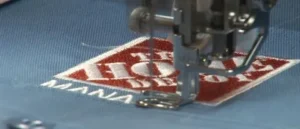
- School Logo Embroidery adds a premium, durable finish for logos and branding
Production teams can combine both techniques to achieve a balance between visual appeal and longevity.
Benefits for School Orders
- Quick turnaround for seasonal demands
- Consistent branding across uniforms
- Ability to handle small batch reorders efficiently
Fabric Compatibility and Material Considerations
One of the strengths of Direct to Fabric Printing UAE is its compatibility with a wide range of textiles.
Common Fabric Types
- Cotton
- Polyester
- Blends
- Linen
Each fabric type requires specific inks and pre-treatment processes. Production teams must ensure proper calibration to maintain print quality.
Ink Types Used
- Reactive inks for natural fibers
- Disperse inks for synthetic materials
- Pigment inks for versatile applications
Choosing the right combination of fabric and ink is critical for achieving desired results.
Quality Control in Production
Maintaining consistent quality is a priority for any production team. With Direct to Fabric Printing UAE, quality control involves:
- Monitoring color accuracy
- Ensuring proper ink absorption
- Checking print durability after washing
Digital systems often include automated calibration tools, which help maintain consistency across large production runs.
Cost Considerations
While the initial investment in digital printing equipment may be higher, operational costs can be optimized over time.
Cost Factors
- Ink consumption
- Fabric type
- Production volume
- Maintenance of equipment
For smaller or customized orders, Direct to Fabric Printing UAE often proves more cost-effective than Screen Printing Services UAE, which requires setup costs for each design.
Sustainability and Environmental Impact
Sustainability is becoming increasingly important in the UAE’s textile sector. Digital printing technologies contribute to eco-friendly production practices.
Environmental Benefits
- Reduced water usage compared to traditional dyeing
- Lower chemical waste
- Minimal material wastage
Production teams adopting Direct to Fabric Printing UAE can align with sustainability goals while maintaining efficiency.
Challenges to Consider
Despite its advantages, there are some challenges associated with this technology.
Technical Expertise
Operators need training to manage digital printers and software effectively.
Fabric Preparation
Certain fabrics require pre-treatment to ensure optimal ink adhesion.
Equipment Maintenance
Regular maintenance is essential to avoid downtime and ensure consistent output.
By addressing these challenges, production teams can maximize the benefits of this printing method.
Future Trends in UAE Textile Production
The future of textile production in the UAE is closely tied to digital transformation. Direct to Fabric Printing UAE is expected to play a central role in this shift.
Emerging Trends
- Increased automation in production lines
- Integration with design software for faster workflows
- Growing demand for on-demand printing
As businesses continue to prioritize customization and speed, digital printing technologies will become even more integral.
Conclusion
For production teams in the UAE, adopting Direct to Fabric Printing UAE offers a strategic advantage in a competitive market. Its ability to deliver high-quality, customizable, and efficient printing solutions makes it a valuable addition to modern textile workflows.
When combined with traditional methods like Screen Printing Services UAE and finishing techniques such as School Logo Embroidery, it creates a versatile production ecosystem capable of meeting diverse client needs.